
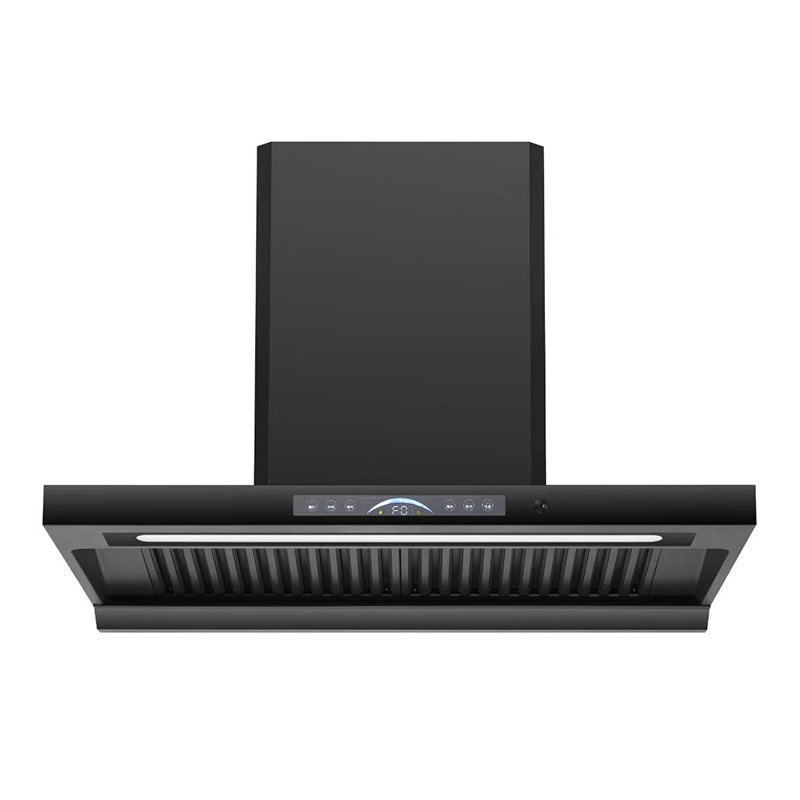
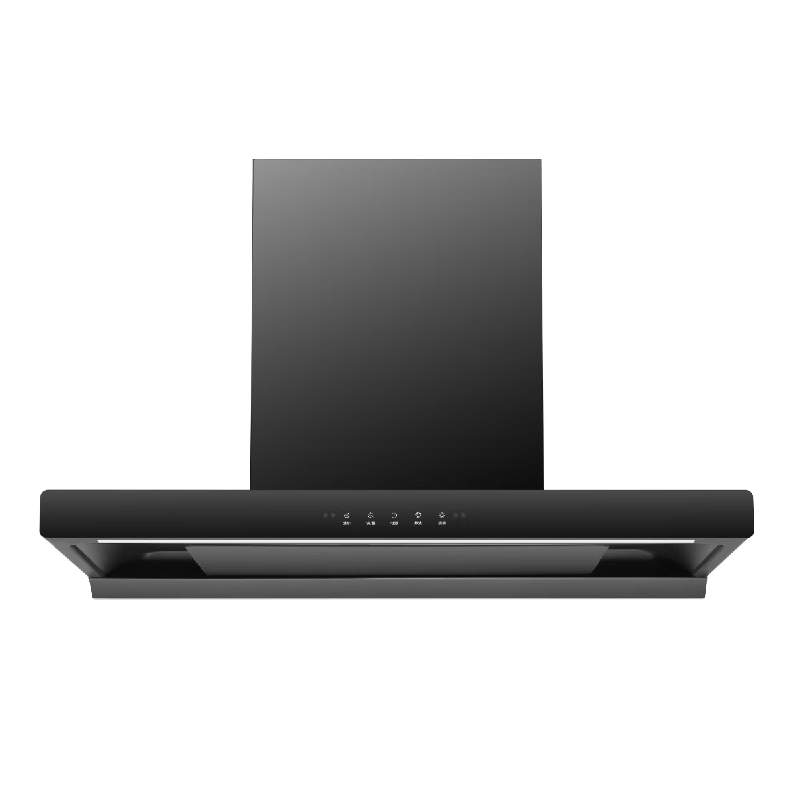
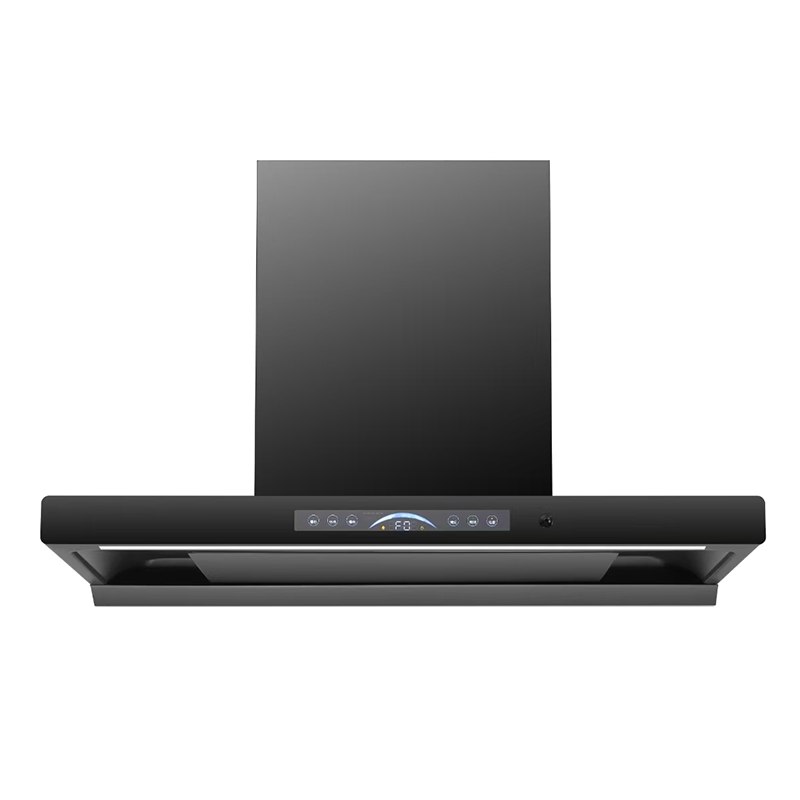
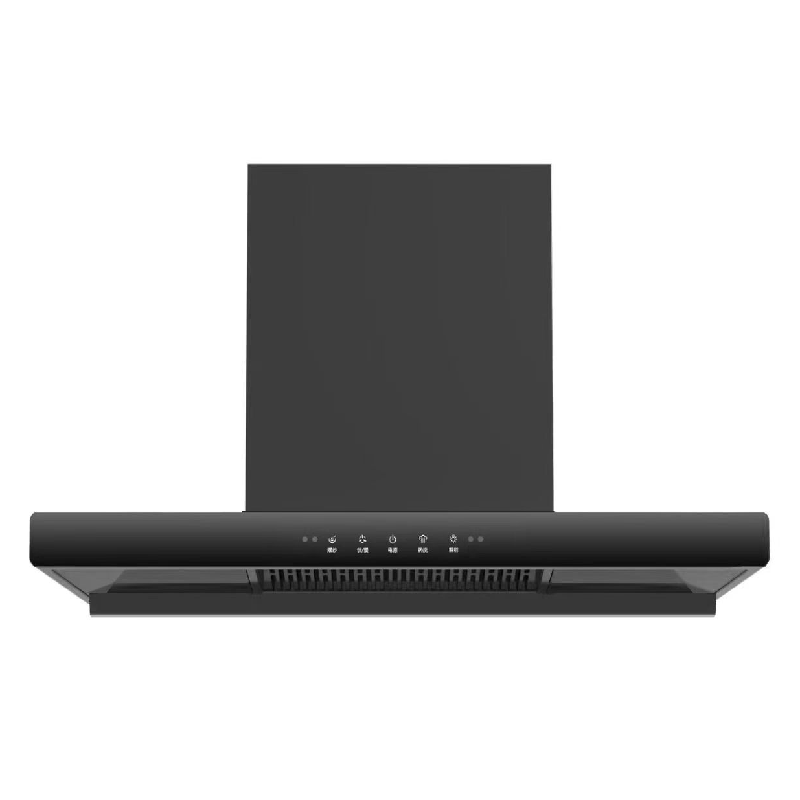
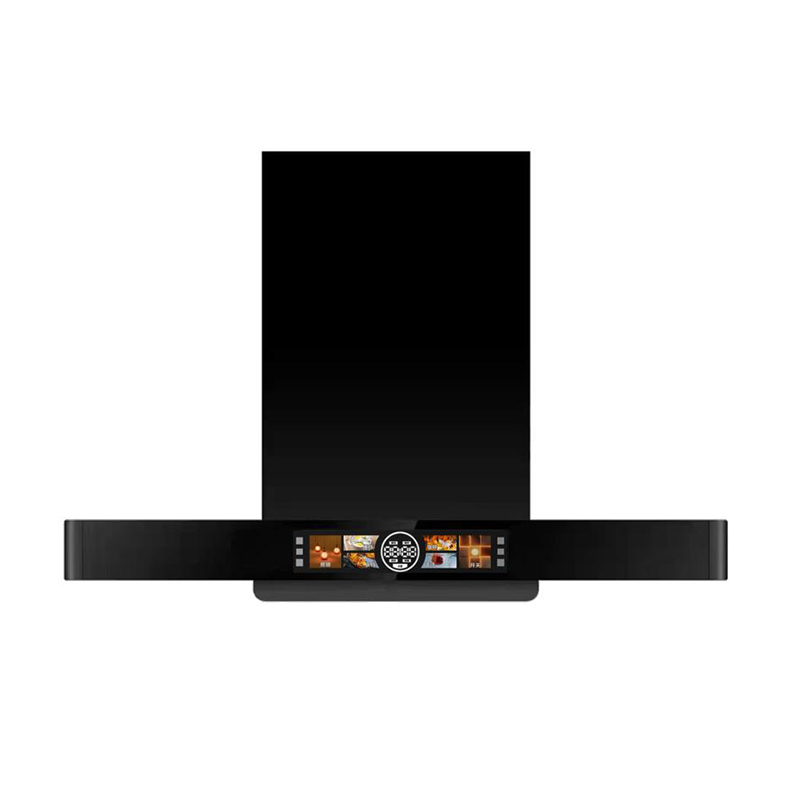
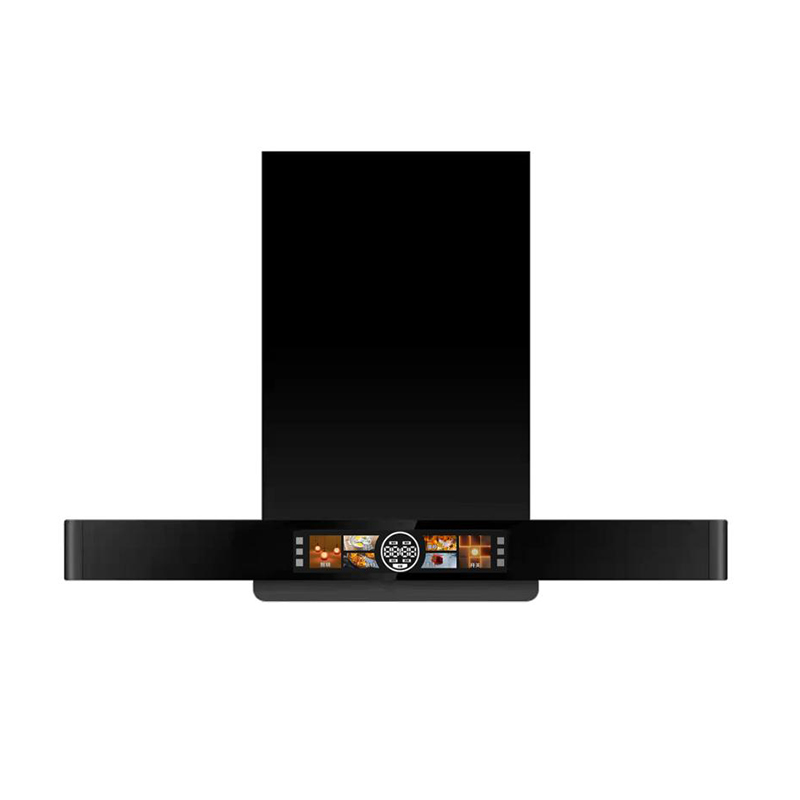
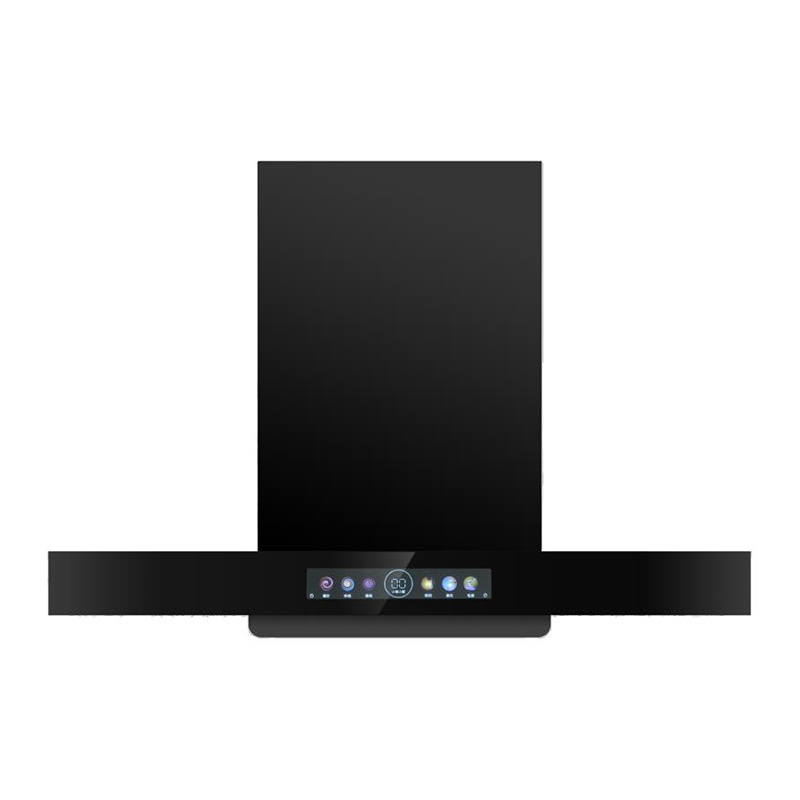
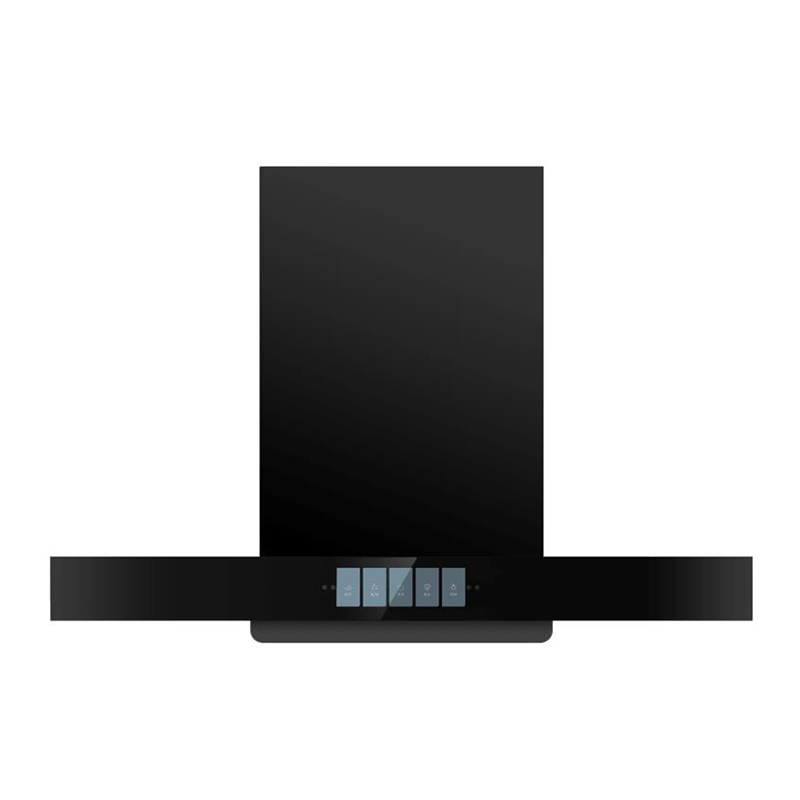
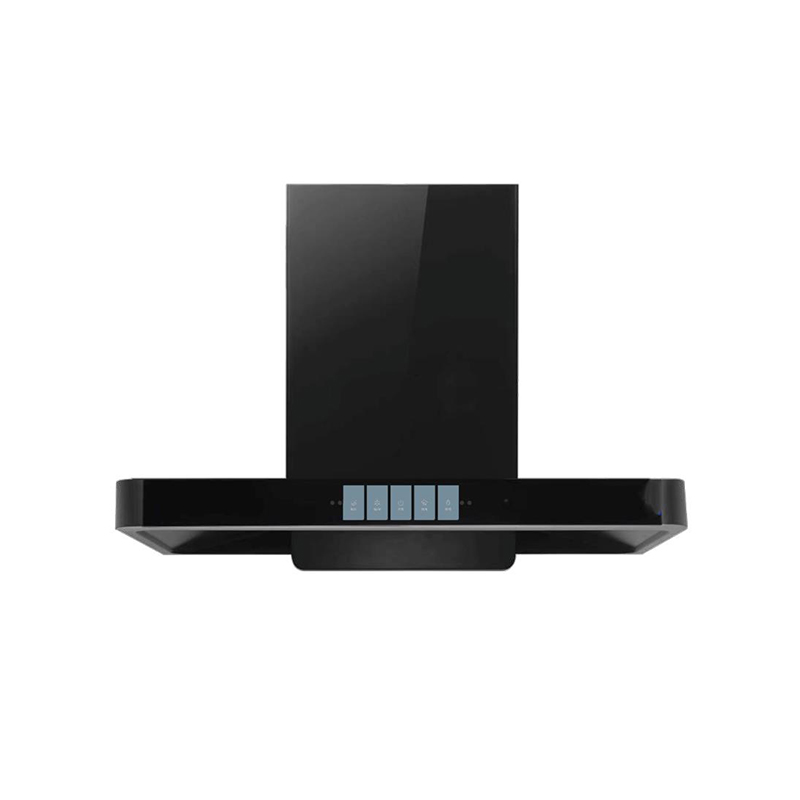
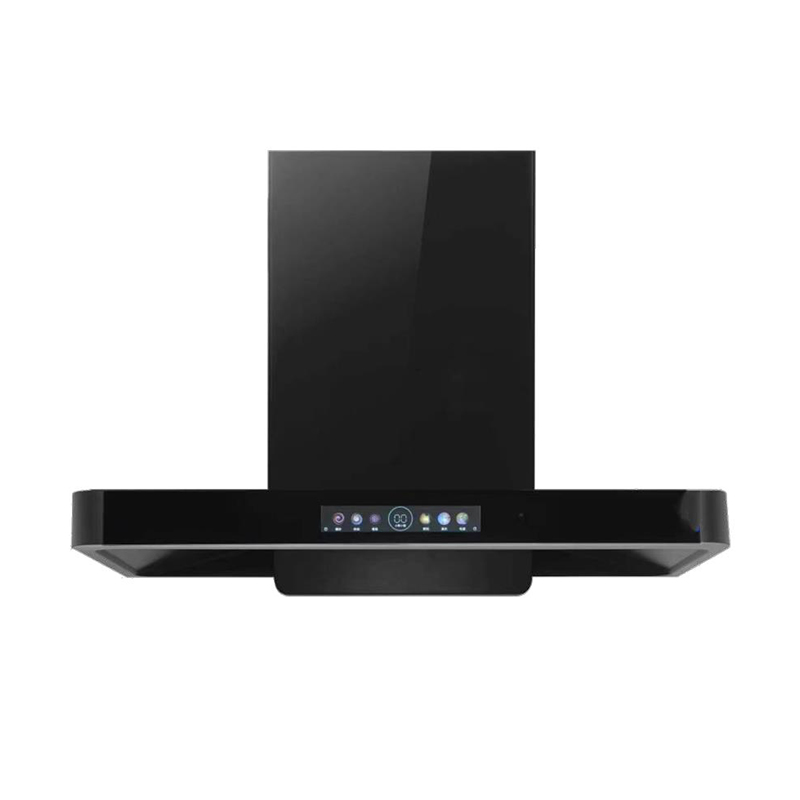

A modern, energy-efficient kitchen range hood is becoming a centerpiece of sustainable home design.
Contents
Market Shifts: Data Shows Rise of the Energy-Conscious Cooker Hood
U.K. Manufacturers Spearhead Innovation in Smart Range Hoods
Expert Analysis: The Transition to Intelligent, Automated Ventilation
Future Outlook: Industry 4.0 Meets the Humble Cooker Range Hood
London, UK – A major shift in the United Kingdom's approach to home energy efficiency is sending ripples through the kitchen appliance industry. The government's newly finalized Home Energy Model (HEM), which came into full effect this week, now includes specific metrics for ventilation efficiency for the first time, directly impacting the design, functionality, and desirability of modern range hoods.
New U.K. Efficiency Standards Target Kitchen Ventilation
The updated Home Energy Model, replacing the Standard Assessment Procedure (SAP), now mandates that new builds and major renovations must account for the energy consumption of all fixed appliances, including cooker hoods. Crucially, it incentivizes systems that actively manage indoor air quality (IAQ) without wasting heat.
“The Department for Energy Security and Net Zero’s new standards effectively penalize inefficient, on-off extractor fans,” says a summary of the technical documentation. “A modern range hood must now demonstrate intelligent demand-based operation—running only when needed and at variable speeds based on pollutant detection—to contribute positively to a home’s overall energy rating.”
This regulatory shift is already changing builder and homeowner preferences, moving demand away from basic, single-speed units and toward advanced, connected kitchen range hoods.
Market Shifts: Data Shows Rise of the Energy-Conscious Cooker Hood
Industry analysts are already registering the market impact. A recent report from the UK-based market research firm, AMA Research, projects the demand for energy- and filter-monitoring capabilities in cooker range hoods to grow by over 20% annually through 2028.
“Our data indicates that nearly 40% of new kitchen buyers now cite ‘low energy consumption’ as a top-three feature when selecting a modern range hood, up from just 12% two years ago,” says an industry analyst tracking the sector. “The regulatory tailwind from the Home Energy Model is accelerating a pre-existing trend toward intelligent appliances.”
This data suggests a clear bifurcation in the market: low-cost, basic units for simple replacements, and a booming premium sector for feature-rich, energy-smart cooker hoods that can seamlessly integrate into a modern, efficient home.
U.K. Manufacturers Spearhead Innovation in Smart Range Hoods
Several UK manufacturers are already ahead of the curve, integrating automation and IoT principles into their product lines to meet the new demand.
Case Study 1: Vent-Axia’s ‘Sentinel’ Connected Kitchen Range Hood
UK ventilation leader Vent-Axia has launched its new ‘Sentinel’ range, certified to meet the highest new HEM standards. The unit features integrated particulate and humidity sensors. “The Sentinel doesn’t just have a timer,” a company representative explained. “It uses an onboard AI to learn a household’s cooking patterns and proactively manages extraction. If it detects a rapid rise in particulates, it boosts power automatically and then returns to an ultra-low, silent standby mode, saving significant energy over a traditional simple motor.”
Case Study 2: Apex Automation’s ‘AirMind’ Integration Module for Cooker Hoods
Apex Automation, an industrial controls specialist, has entered the residential space with an aftermarket ‘smart’ module. The ‘AirMind’ system retrofits to a modern range hood, adding remote monitoring, maintenance alerts, and the ability to link the hood to the home’s HVAC system. “We are bringing industrial sensor technology to the consumer space,” says Apex’s lead engineer. “The system can signal a home’s whole-house ventilation unit to ensure proper depressurization and makeup air, solving a long-standing issue in airtight, efficient new homes where a powerful cooker range hood can create negative pressure.”
Case Study 3: Novy UK’s ‘Pure’ Series with Recirculation Optimization
Novy UK has focused on maximizing the efficiency of recirculating range hoods, which are essential for many urban flats and modern designs. Their new ‘Pure’ series uses a proprietary carbon filter and airflow path that is 40% more efficient at capturing grease and odors, reducing the strain on the motor. “We have optimized our filters using computational fluid dynamics to allow for a lower-powered, quieter fan that still outperforms standard units. This is a direct engineering response to the new energy standards,” the UK product manager stated.
Expert Analysis: The Transition to Intelligent, Automated Ventilation
While the new standards are praised for driving innovation, industry experts also point to challenges and a steep learning curve for both installers and homeowners.
“The Home Energy Model is a powerful lever to improve building performance, but we are seeing confusion in the market,” notes a building services consultant. “The average kitchen fitter doesn't yet understand commissioning a cooker range hood with demand-based controls. It's more complex than just screwing it into the wall and connecting a spur. We need a major focus on installer training.”
Another industry professional, an energy assessor, adds: “Homeowners will need education on how to use these smart range hoods properly. If they just turn them off at the wall every night, they lose the background IAQ monitoring. The modern range hood is becoming a appliance people will need to understand and interact with, much like a smart thermostat.”
Future Outlook: Industry 4.0 Meets the Humble Cooker Range Hood
The trends set in motion by the UK’s new standards point toward a future where a kitchen range hood is no longer a standalone, dumb appliance but an integral, intelligent node in the connected home. Key predictions include:
Predictive AI: Range hoods that use machine learning to know your cooking habits and pre-adjust ventilation levels before you even turn on the hob.
Industrial IoT (IIoT) Integration: Data from your modern range hood will be fed into home energy management platforms, allowing dynamic pricing signals to automatically minimize operation during peak electricity demand.
Filter-as-a-Service: Recirculating cooker hoods with smart filter logs that automatically reorder replacement carbon filters when needed, ensuring peak efficiency and compliance.
Voice and Gesture Control: Beyond simple voice commands, future units will incorporate gesture recognition to adjust speed or lighting, minimizing contact with a potentially soiled control panel.
The modern range hood is being reborn, driven by regulation and enabled by digital technology. For the UK market, at least, the simple, on-off extractor fan is becoming a relic of a less-efficient era.
Sources
AMA Research: UK Kitchen Appliance Market Report – 2026 Outlook
Vent-Axia: Product Launch Press Release for 'Sentinel' Connected Range Hood (April 2026)
Apex Automation: 'AirMind' Intelligent Ventilation Module Specification Sheet (April 2026)
Novy UK: Technical White Paper on Recirculation Optimization for the 'Pure' Series (April 2026)
Interview with Building Services Consultant (April 2026, for on-the-record comments)