

By hbhiabar.com Kitchen Ventilation Desk | April 25, 2026
Table of Contents
1. Code Overhaul Ignites Ventless Revolution
On April 22, 2026, the New York City Department of Buildings and the California Building Standards Commission simultaneously released amended fire codes (NYC Local Law 87-B and CA Code 2026-0912) that for the first time allow ventless, recirculating range hoods with active sensor‑based automation in new residential construction and major kitchen renovations. The previous codes heavily favored ducted hoods, citing grease accumulation and fire spread risks. The new rules mandate that any ventless hood must include:
Real‑time particulate and VOCs sensors (PM2.5, grease mist)
Auto‑adjusting fan speed based on cooking activity
Replaceable or self‑cleaning multi‑stage filters with digital end‑of‑life alerts
The changes will take effect July 1, 2026, but manufacturers are already shipping compliant units. “This is the single largest regulatory shift for residential kitchen ventilation in 30 years,” said Mark Sullivan, VP of engineering at the Home Ventilating Institute (HVI). “It legalizes what technology has made possible – effective filtration without punching holes in exterior walls.”
2. By the Numbers: A $1.6B Segment Awakens
According to a preliminary market brief released April 24 by AHAM (Association of Home Appliance Manufacturers), the US range hood market totaled $4.71 billion in 2025. Ventless hoods represented just 12% of unit sales (≈$565M), mostly low‑Cfm recirculating boxes. AHAM now projects that by 2028, ventless models will capture 34% of unit sales – a $1.6 billion segment – driven by the code changes and rising demand for luxury black finishes.
“Black stainless and matte black range hoods already grew 41% year‑over‑year in Q1 2026,” said Elena Marchetti, principal analyst at KitchenTech Insights. “Now pair black finishes with ventless AI logic, and you have a perfect upgrade story for the 48 million US homes without existing ductwork.” The average selling price of smart ventless hoods is expected to settle at $1,200–$2,500, compared to $500–$1,200 for basic ducted units.
3. Three US Manufacturers Move First
Case Study 1 – Broan‑NuTone (Hartford, WI)
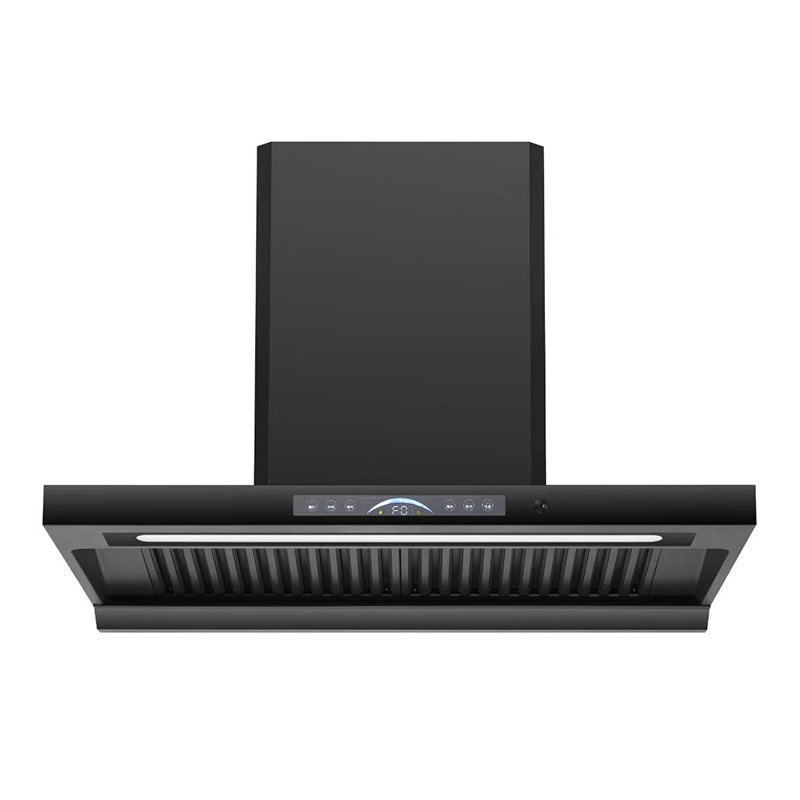
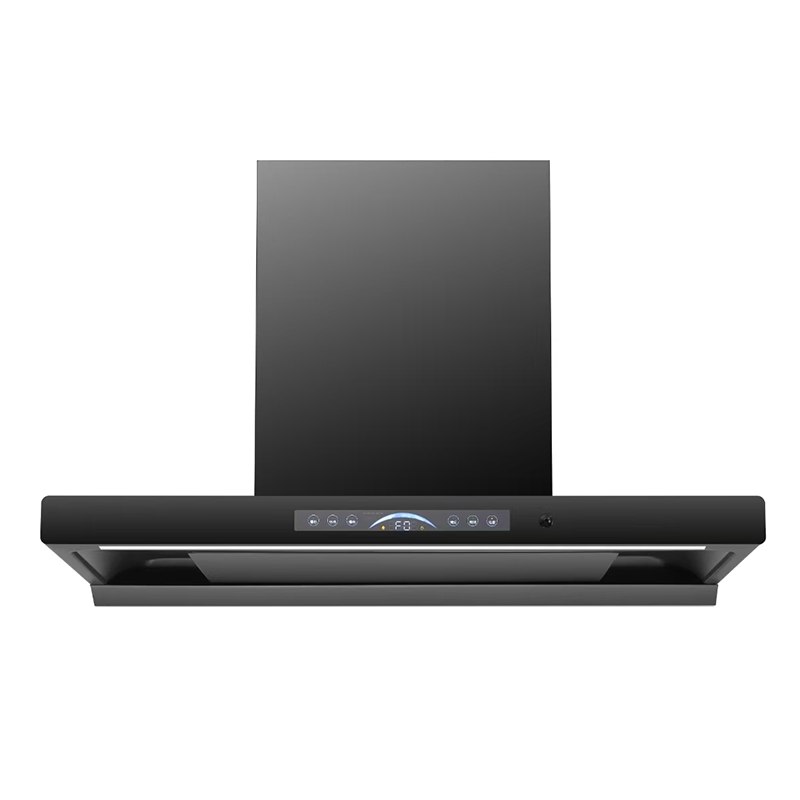
On April 20, Broan‑NuTone launched the “Elite Sensor” series in black and black stainless. Each unit uses a dual‑laser particulate sensor (PM1.0, PM2.5, PM10) and an onboard ESP32‑based controller reporting filter life to the Broan‑NuTone app. The company’s Sussex, Wisconsin, assembly line has been retooled with Industry 4.0 cobots, reducing changeover time from 4 hours to 18 minutes. “We expect Elite Sensor to be 65% of our hood volume by Q4 2026,” said product director Lisa Harkness.
Case Study 2 – Zephyr Ventilation (San Francisco, CA)
Zephyr, known for luxury designs, introduced the “Tornado VI” (Ventless Intelligence) on April 23. It features a six‑stage filtration system (mesh, charcoal, electrostatic, UV‑C, catalytic ozone, and HEPA‑like media) and a built‑in CO₂/temperature/humidity sensor. The company partnered with San Jose‑based industrial automation integrator AutoMotion Technologies to install a fully IIoT‑enabled assembly line that adjusts torque, sealant, and test cycles per serial number. “We can produce a black luxury hood with 12 different sensor configurations without stopping the line,” said Zephyr COO David Lin. Early orders from Lennar and Toll Brothers already total $22 million.
Case Study 3 – Best by Middleby (Chicago, IL)
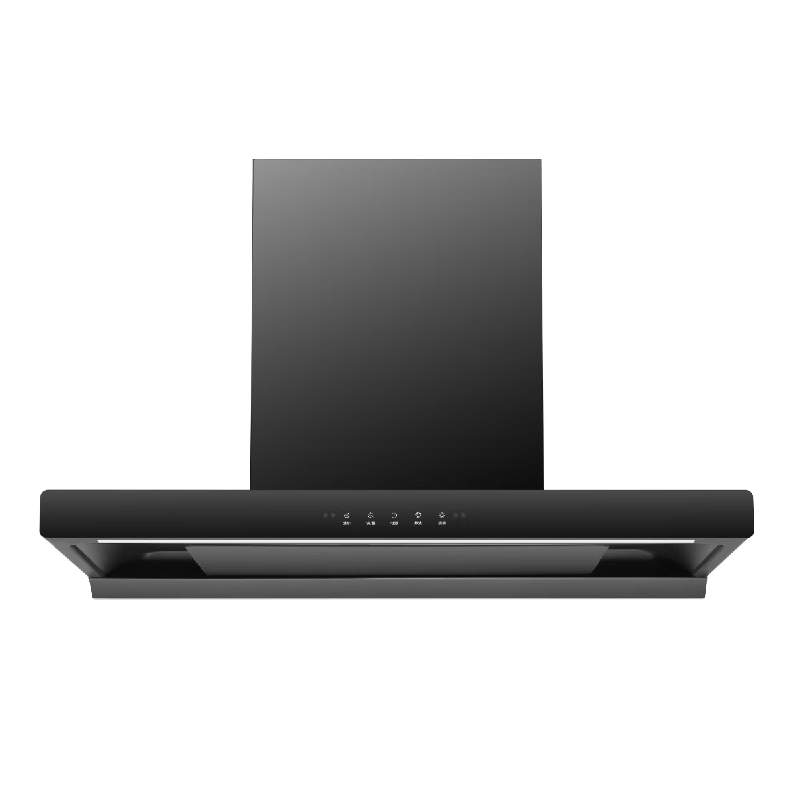
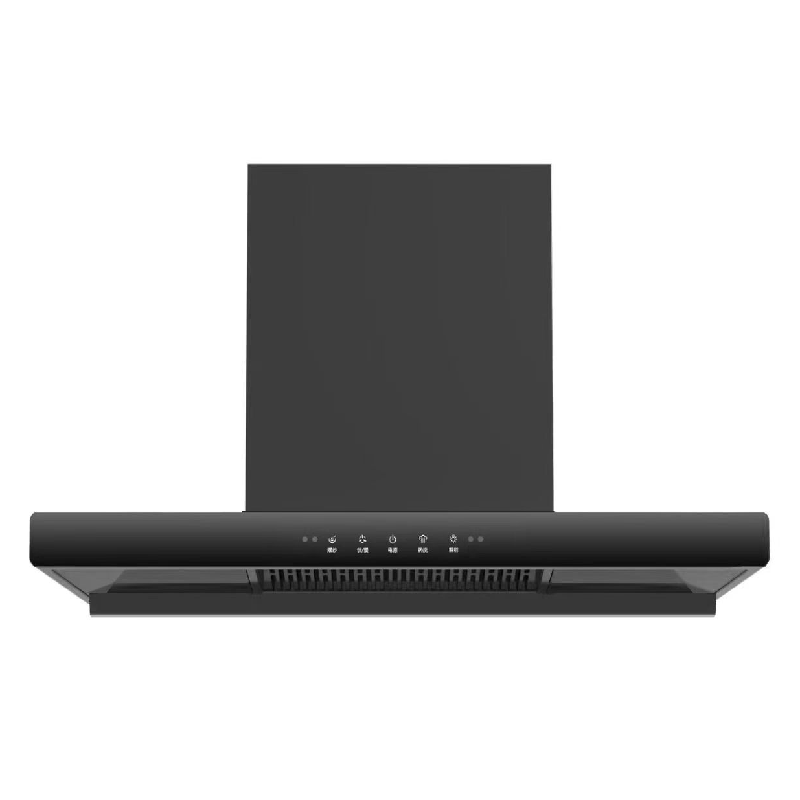
Best (a Middleby brand) announced on April 24 that its entire “K7” series will be ventless‑ready and available in 10 black finishes (matte, slate, shadow, etc.). The key innovation: a self‑regenerating ceramic catalyst that heats to 400°F every 20 hours of runtime to burn off grease, eliminating the disposable filter requirement. “We worked with UL to certify this as a ‘zero‑maintenance’ ventless system – a first in the US,” said senior engineer Tom Reardon. The K7 black models will be manufactured at Middleby’s Elgin, IL, plant using a digital twin of the entire paint‑and‑assembly line.
4. Expert Outlook: Smarter Hoods, Tighter Margins
Industry analysts see a major consolidation ahead. “Not every brand can afford to add six sensors, machine learning, and cloud connectivity to a $400 product,” said Michael O’Hara, partner at appliance strategy firm Redwood Consulting. “We expect 20–30% of smaller range hood brands to exit or be acquired by 2028.” At the same time, large homebuilders are standardizing on ventless AI hoods. “We’ve already switched our standard spec for all multifamily projects in NYC and LA,” said procurement VP Janet Wu (Lennar).
From a fire safety perspective, the changes are not without skeptics. “Active sensing is only as good as the end user keeping the filters clean,” noted Lt. Carla Jimenez, fire code specialist with the Los Angeles County Fire Department. “We will be watching the first 12 months of real‑world data closely.” However, HVI’s Mark Sullivan counters that the new codes require remote filter‑life alerts to a smartphone or building management system, which was never possible with mechanical ducted hoods.
5. Forward‑Looking: Industry 4.0, IIoT, and Luxury Black Finishes
The shift to ventless AI hoods is accelerating two broader trends. First, Industry 4.0 automation is becoming essential for manufacturers to handle sensor calibration and software updates. All three case‑study companies now use IIoT platforms (Siemens MindSphere, PTC ThingWorx, or Telit) to collect real‑time data from their assembly lines. “We can predict a fan motor failure before the hood leaves the factory,” said AutoMotion Technologies’ integration lead, Rohan Gupta.
Second, the black range hood segment (matte, textured, fingerprint‑resistant) is expected to overtake stainless steel by 2027, according to a just‑released Houzz Kitchen Trends Study (April 2026). “Black isn’t a niche – it’s the new neutral,” said designer Michelle Boyd. “And when you add ventless capability, black hoods become feasible in any kitchen, not just those with exterior walls.”
Predictions for 2027–2029:
80% of new premium range hoods will include IIoT connectivity (filter alerts, usage analytics, voice assistant integration).
Ventless penetration will exceed 50% in the $3,000+ luxury bracket as more states adopt the NYC/CA code language.
Robotic filter cleaning – several integrators are already prototyping range hoods with internal brush mechanisms and a small waste drawer, eliminating any manual filter replacement.
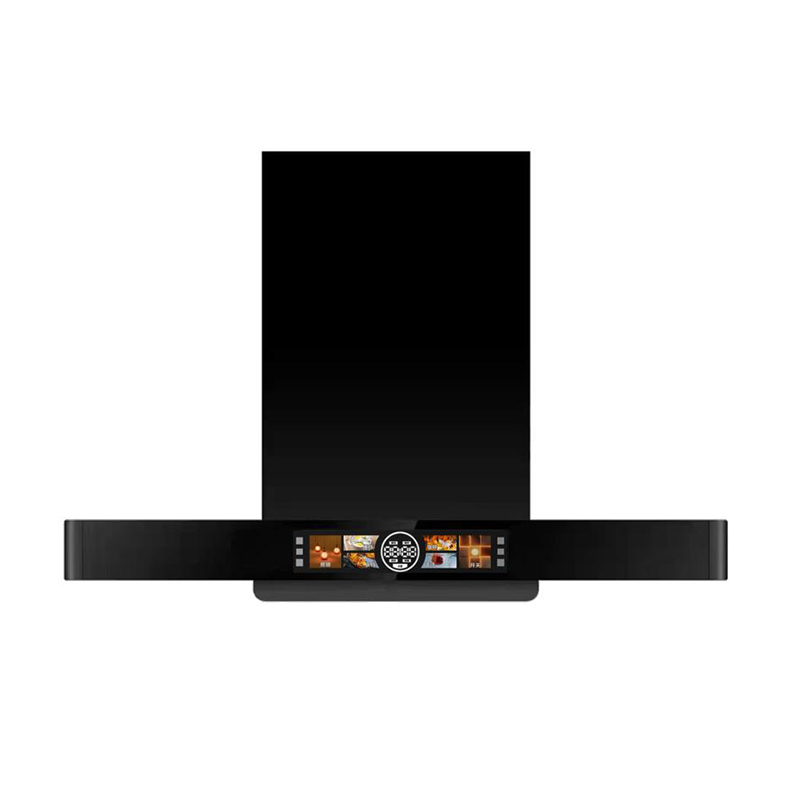
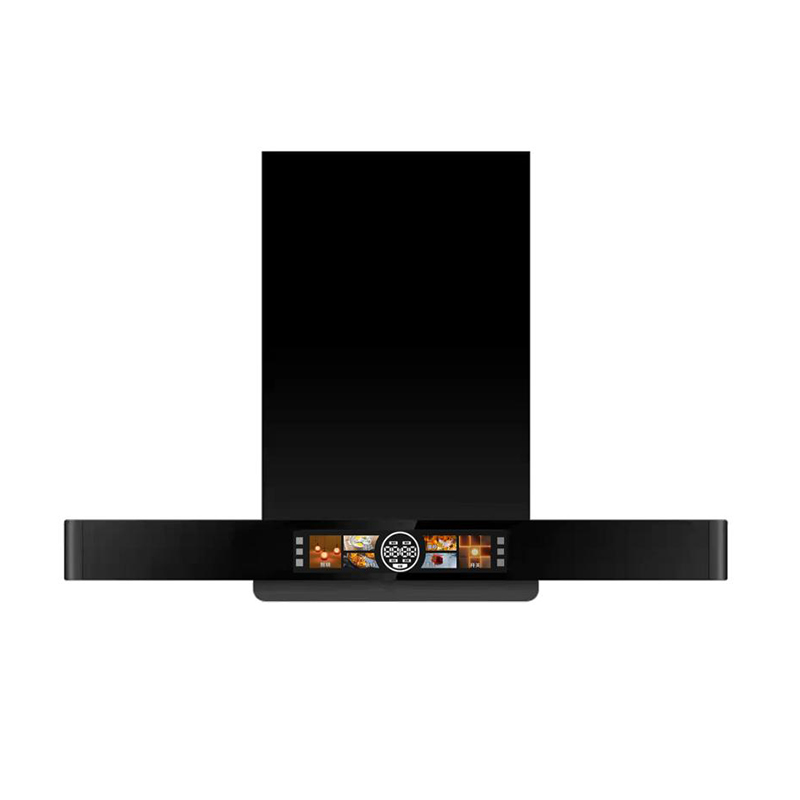
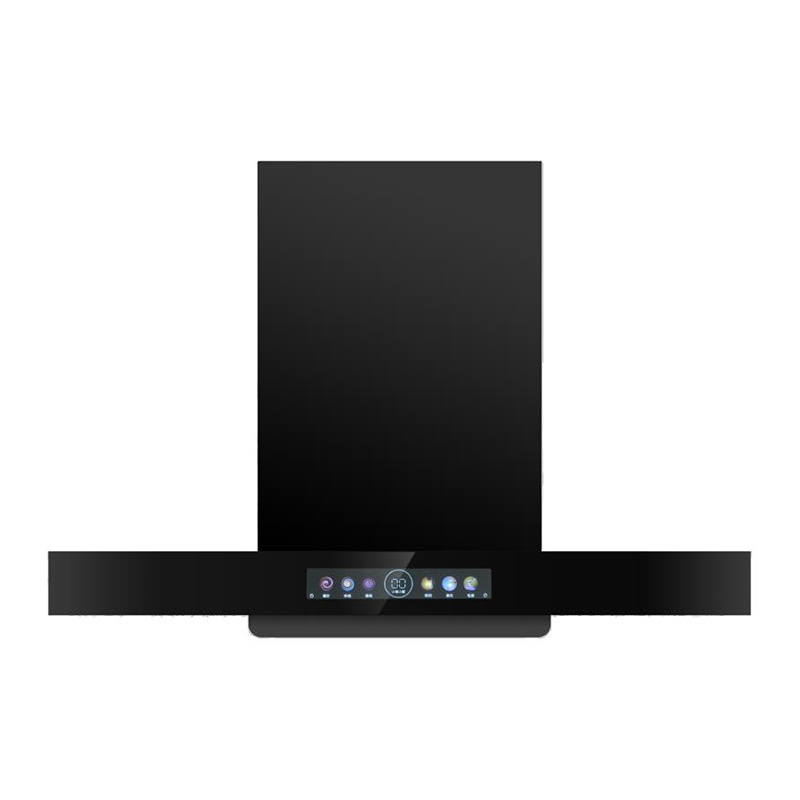
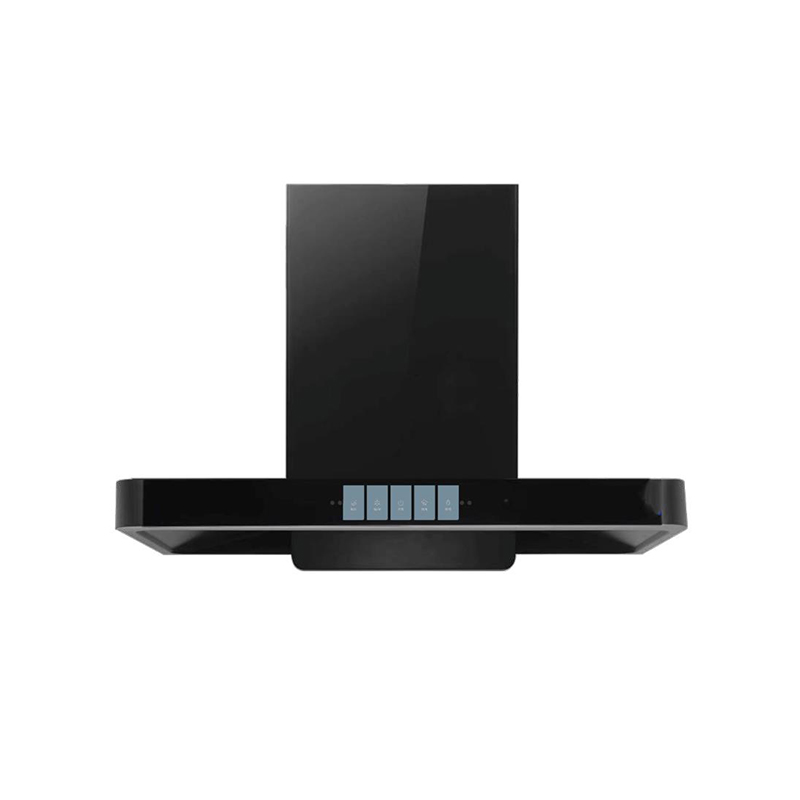
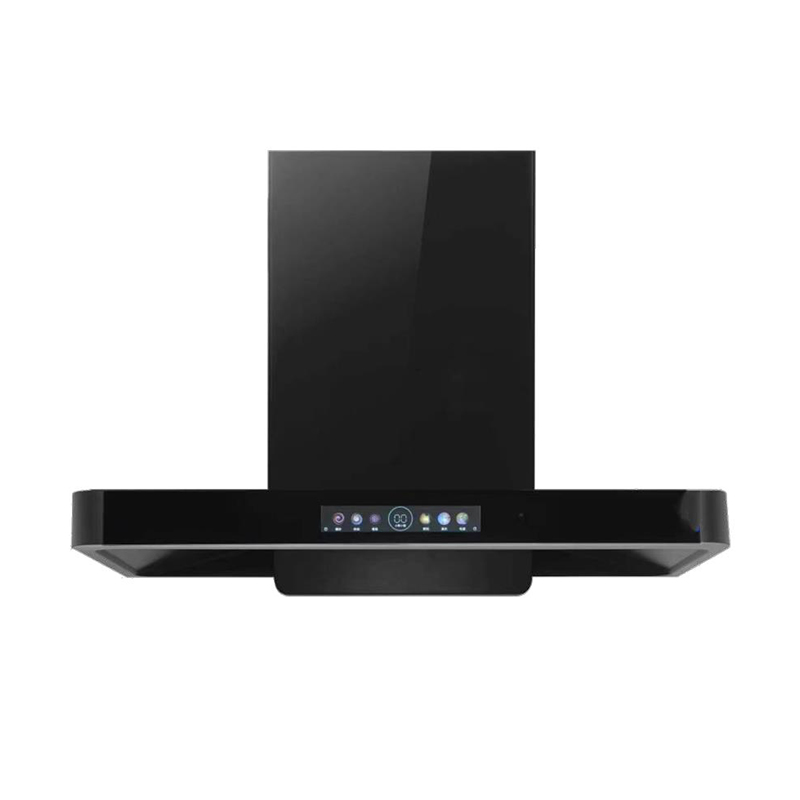
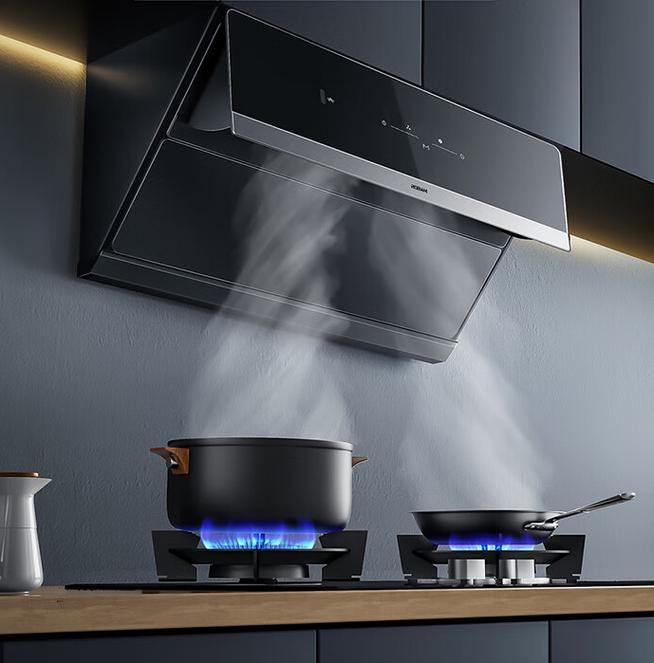
For homeowners, the bottom line is simple: the days of cutting through cabinets and exterior walls for a range hood may be numbered. And for hbhiabar.com’s customers, the immediate takeaway is that black, luxury, ventless kitchen range hoods are no longer a compromise – they are the new standard.
Sources
NYC Department of Buildings – Local Law 87-B (April 22, 2026)
California Building Standards Commission – 2026-0912 Ventless Residential Hood Amendment
AHAM – Preliminary US Range Hood Market Brief (April 24, 2026)
Home Ventilating Institute (HVI) – Statement on Sensor-Based Ventless Hoods (April 22, 2026)
Broan-NuTone – Elite Sensor Series press release (April 20, 2026)
Zephyr Ventilation – Tornado VI product launch (April 23, 2026)
Best by Middleby – K7 series ventless announcement (April 24, 2026)
AutoMotion Technologies – IIoT assembly line case study (press release, April 23, 2026)
Redwood Consulting – “Ventless AI Hoods: Market Shake-Up” (April 24, 2026)