
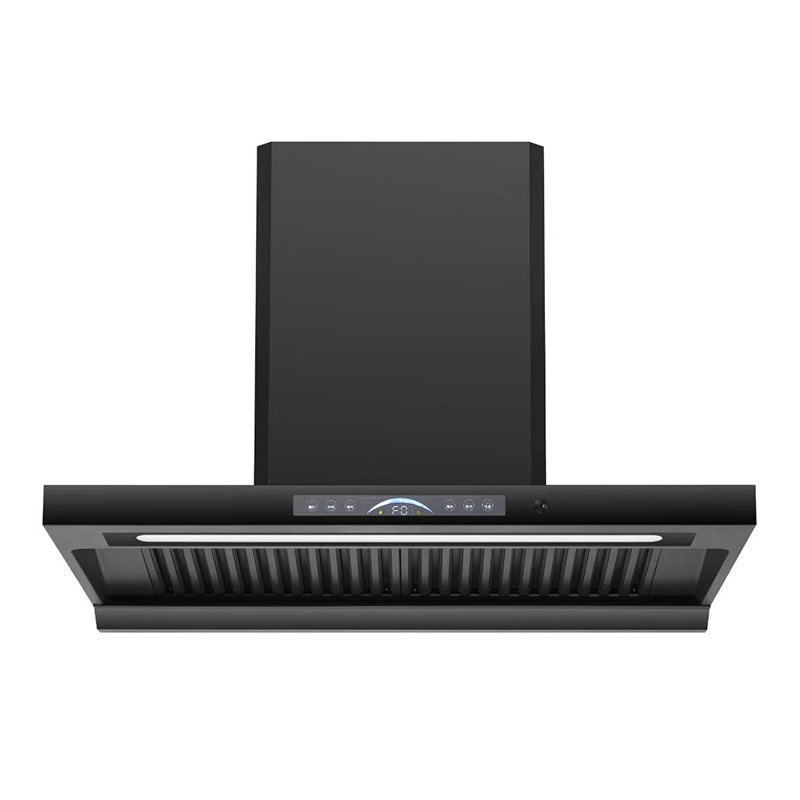
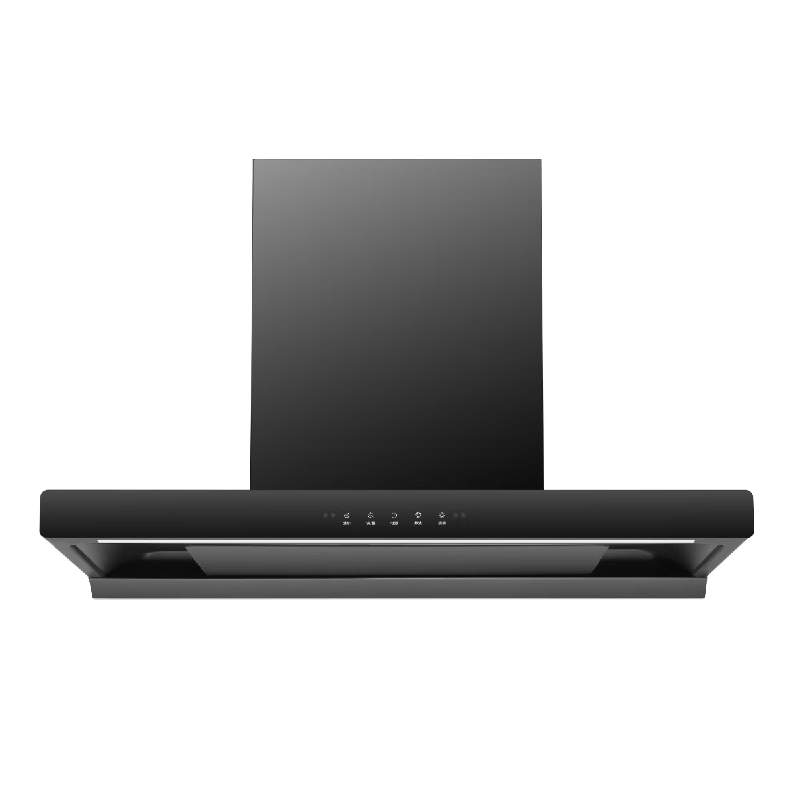
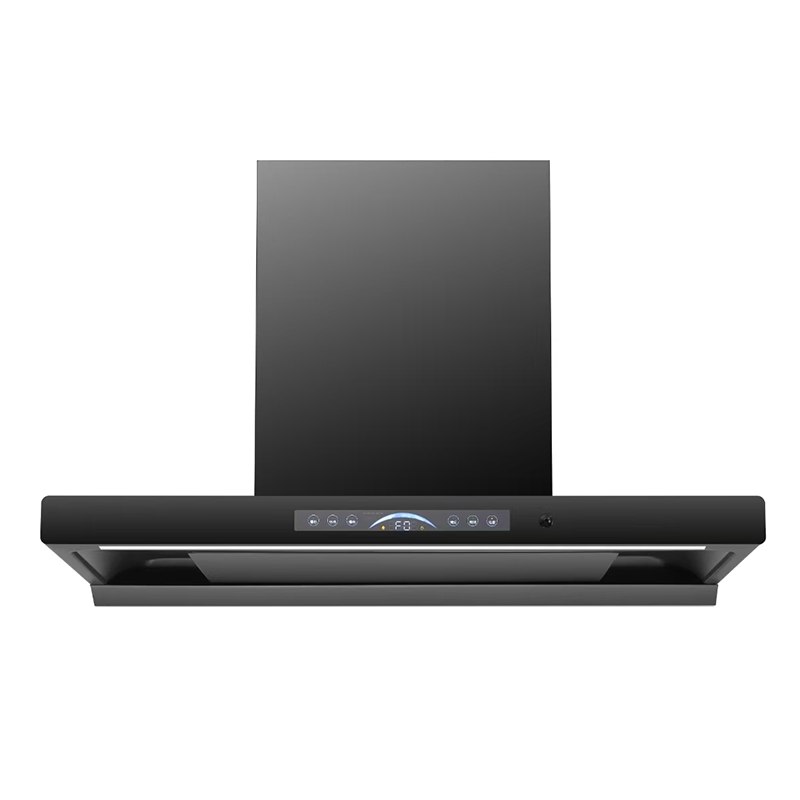
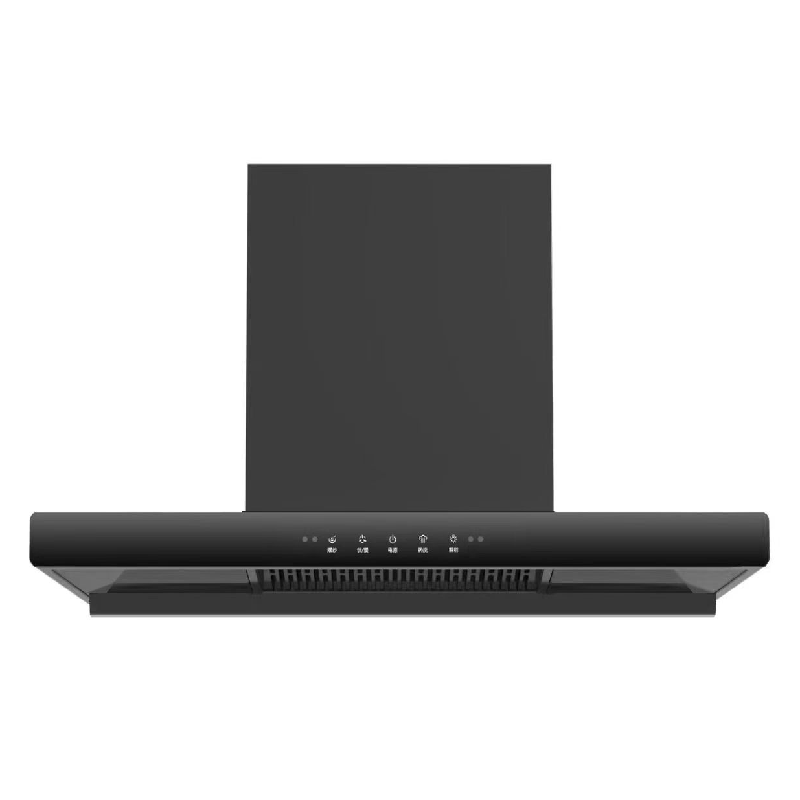
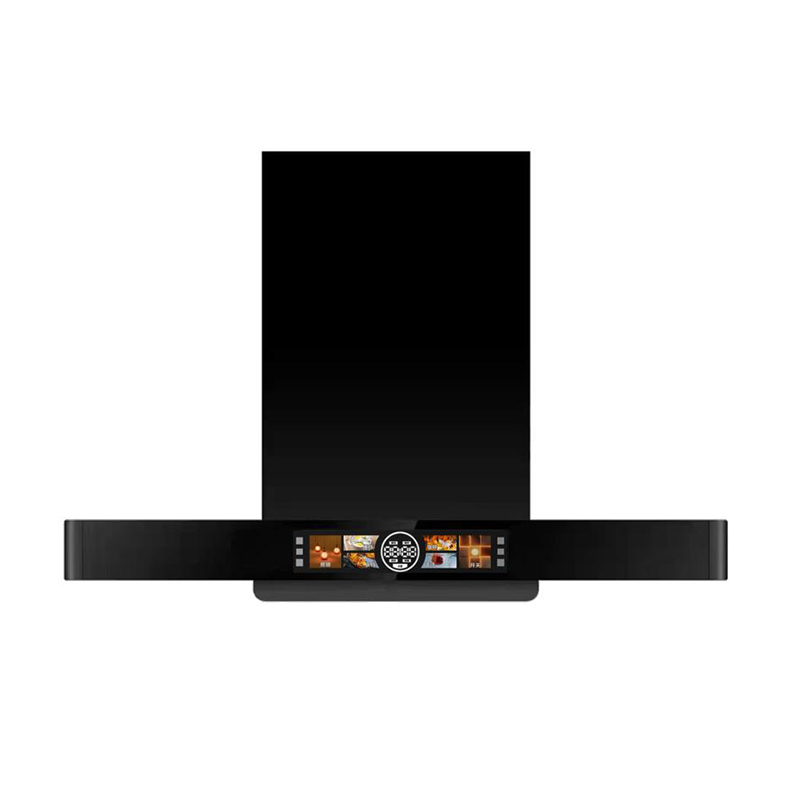
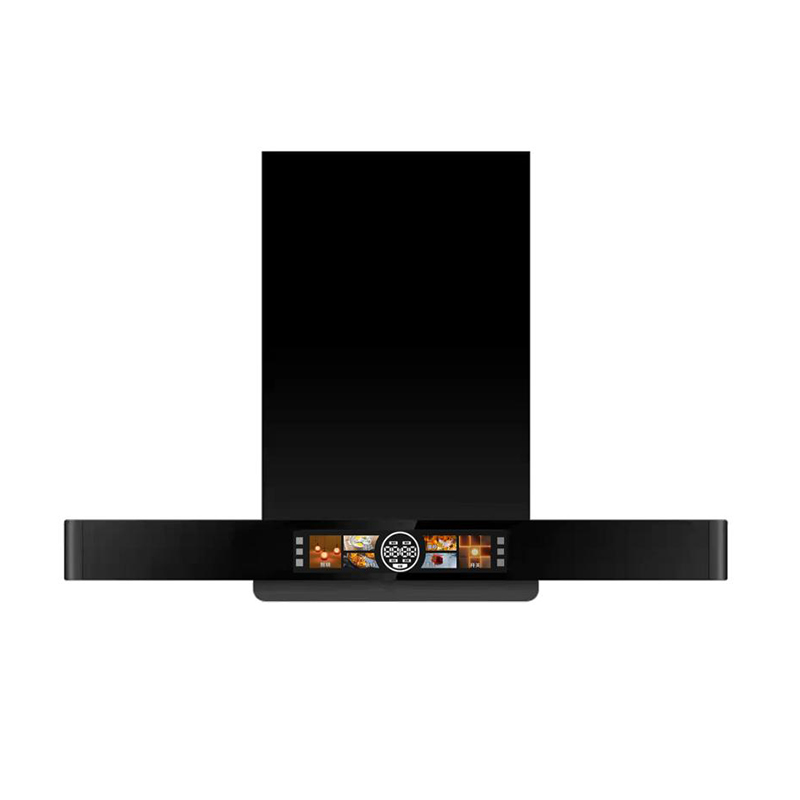


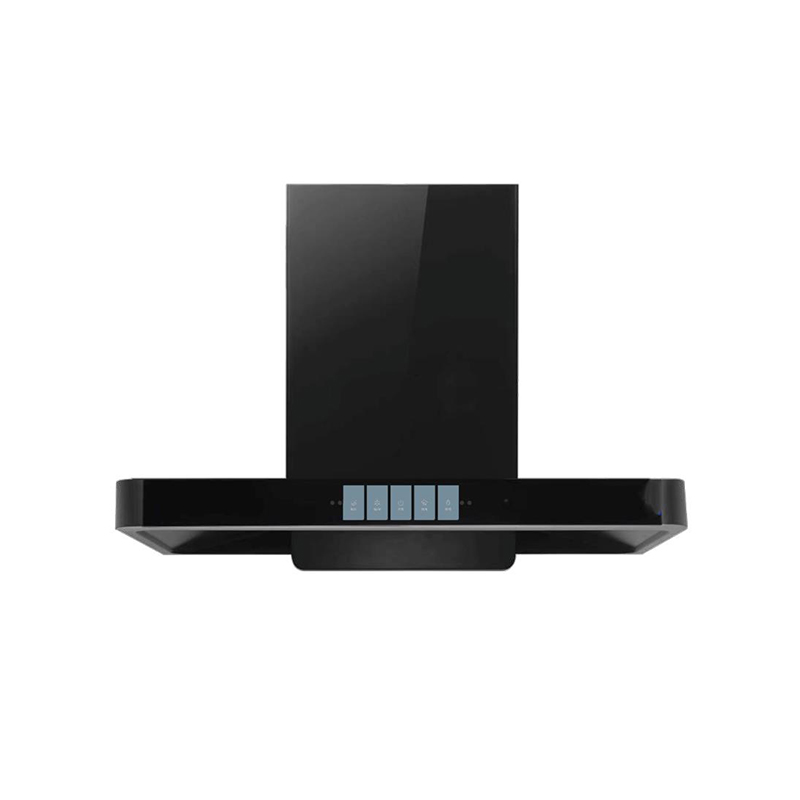
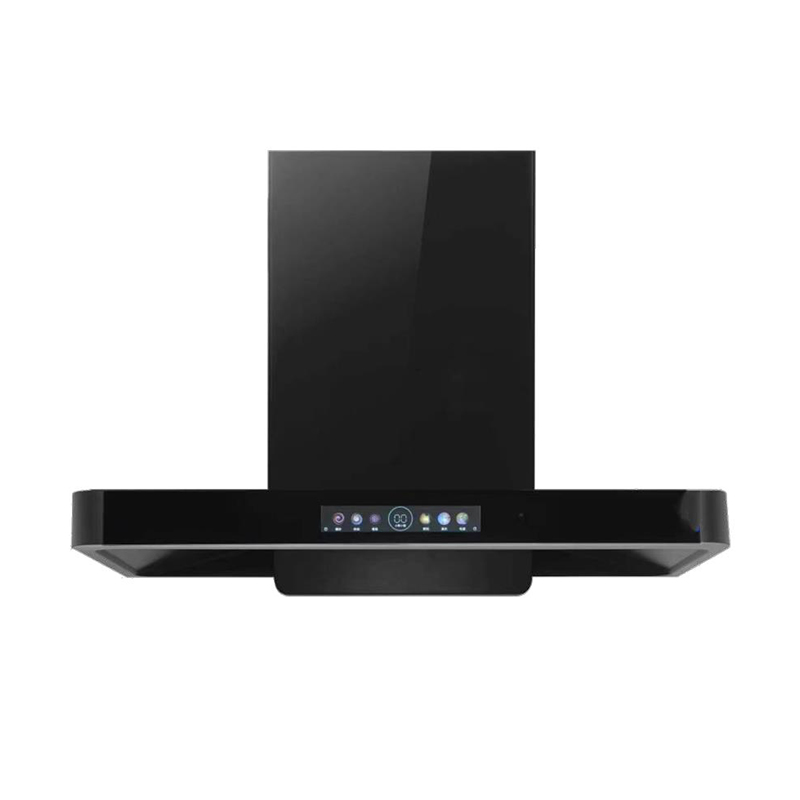
Structure of the range hood
The structure of the range hood is usually composed of the following main parts:
Case and panel
●Case: Generally made of cold-rolled steel sheet and stainless steel, the surface is treated by spraying and drawing, which plays a role in protecting internal components supporting the overall structure, and has the characteristics of water resistance, oil resistance, and easy cleaning.
●Panel: Located at the front of the housing, it is usually made of tempered glass or stainless steel, used to install control buttons, displays, etc. panels also integrate lighting functions, which is convenient for observing the operation area during cooking.
Fan system
●Motor: As the core power component of the range hood, it is usually a fully enclosed single-phase capacitor run asynchronous motor. Through the coordinated work components such as the stator, rotor, bearings, etc., it converts electrical energy into mechanical energy to drive the fan wheel to rotate.
●Fan blades: Typically designed as centrifugal or axial, made of materials such as aluminum alloy, silicon alloy, etc. The fan blades rotate at high driven by the motor, creating a negative pressure zone, which sucks in and accelerates the discharge of cooking fumes, and its shape, size and speed directly affect the suction noise level.
●Volute: In the shape of a snail shell, it is used in conjunction with the wind wheel to guide the airflow generated by the rotation of the wheel, causing the oil and smoke to form a vortex inside the volute, accelerating the discharge of oil and smoke, and separating the oil droplets in the oil and smoke throughifugal force to the inner wall of the volute, achieving preliminary separation of oil and gas.
Oil screen
●Oil screen: Usually located at the air inlet, made of metal wire or plastic, the mesh size varies with different models. The oil screen separates oil droplets from the fumes through interception, adsorption, or condensation, reducing the amount of oil entering the fan and volute, and extending the service life of components.
Smoke exhaust system
●Vent pipe: Connects the range hood to the outdoor flue or public exhaust duct, usually made of metal or plastic, requiring a moderate diameter, reasonable, and few bends to ensure smooth exhaust of fumes and avoid blockages or backflow.
●Air outlet: Installed at the connection between the exhaust duct and the flue, usually made of plastic or metal. The one-way valve automatically when the range hood is in operation, allowing the smoke and grease to be expelled; when the range hood is turned off, the one-way valve closes, preventing outdoor or odors from backflowing into the kitchen.
Oil collection device
●Oil cup: located at the bottom or side of the volute, used to collect oil droplets separated from the volute inner wall and oil screen, facilitate regular cleaning. The material is generally the same as the shell.
●Oil guide ring/oil guide groove: Set up oil guide rings or oil guide grooves around the volute or oil screen to guide the oil drops to oil collection box, ensuring that the oil drops do not overflow or drip onto other components.
Lighting and control system
●Lighting device: Typically LED or incandescent, installed on the top or side of the range hood, used to illuminate the cooking area for easy.
●Control panel: integrated into the panel, it contains function keys such as switches, wind speed adjustment buttons, timers, lighting controls, etc. Some highend models also support touch control, intelligent sensing, voice control and other functions, which are convenient for users to adjust the working status of the range hood according to their needs.
The above are the main structural components of the range hood, and different types of range hoods (such as top-mounted, side-mounted, integrated,.) may vary slightly in specific structure and layout, but the core functions and working principles are basically the same.