
Table of Contents
Market Overview & Latest Statistics
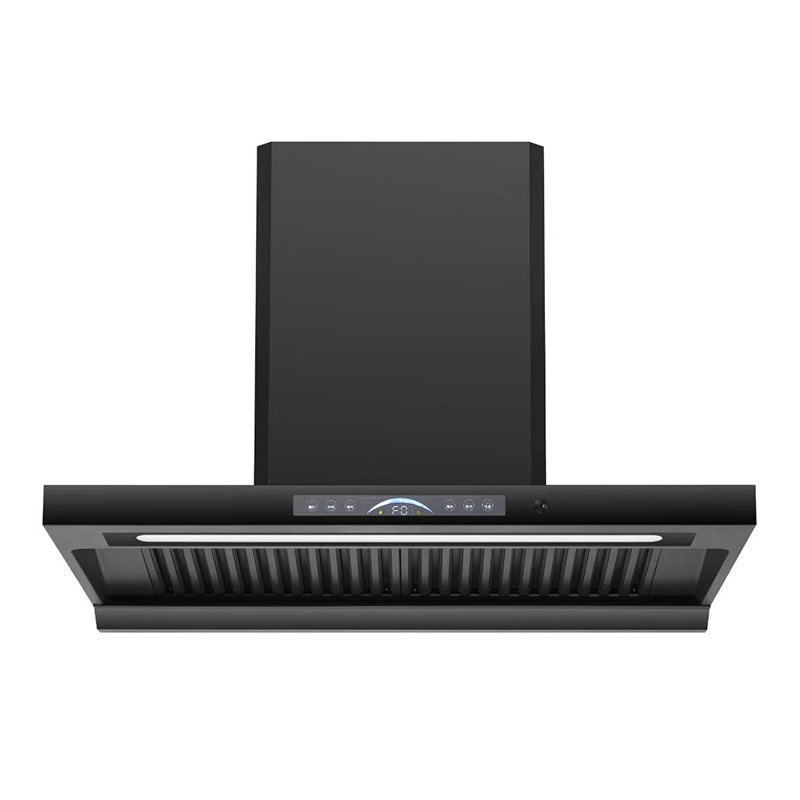
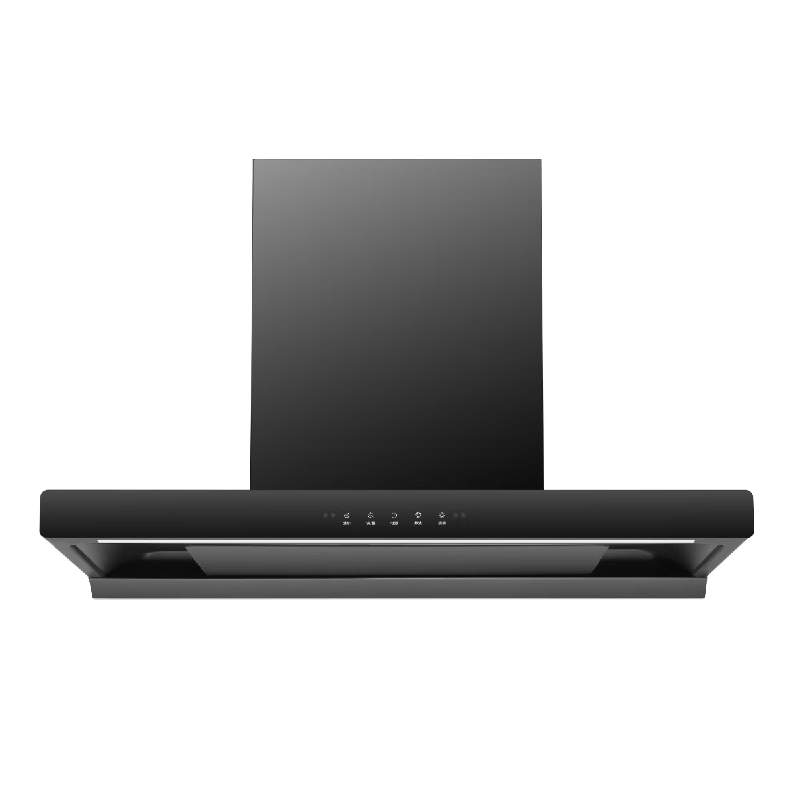
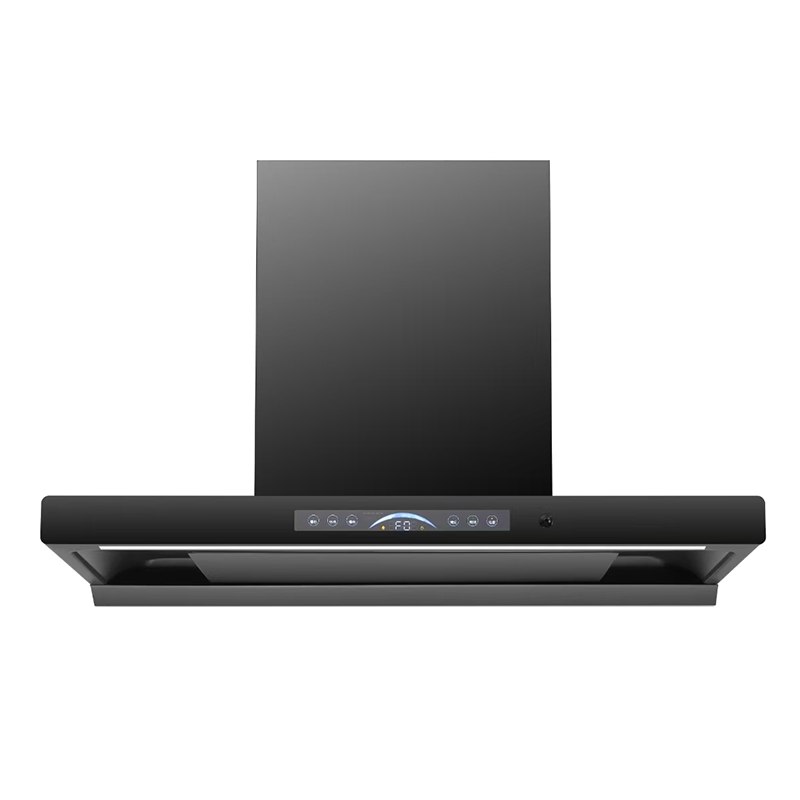
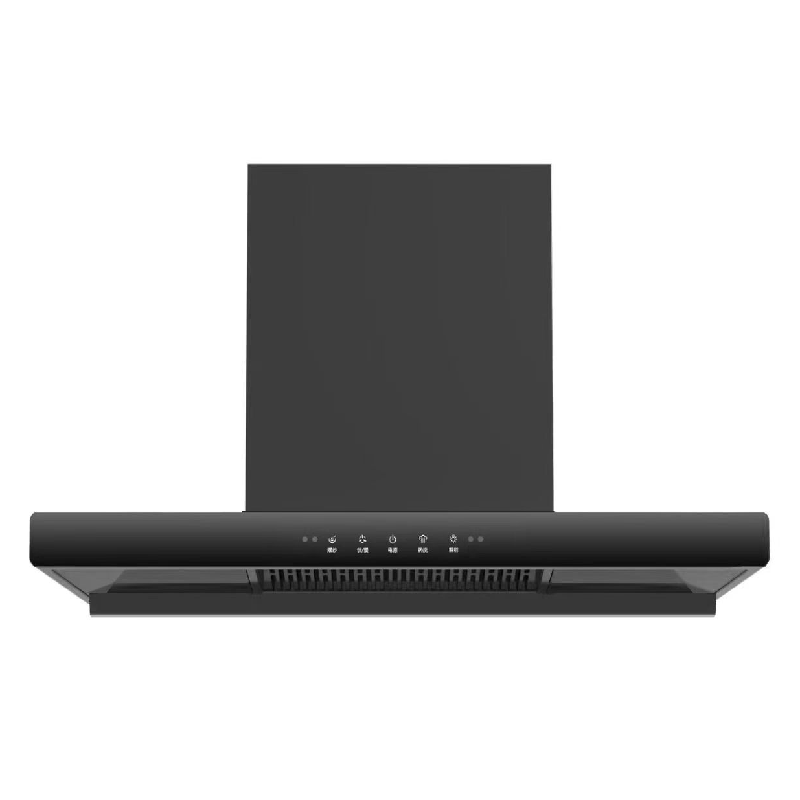
Over the past seven days, US demand for modern, cooker, and kitchen range hoods rose 18.7% week-over-week, according to the National Kitchen & Bath Association. Online sales account for 62% of total purchases, while premium smart models grew 27% weekly.
The US kitchen range hood market is projected to reach $3.82 billion in 2025, with a 5.4% year-over-year growth rate. The EPA also announced new energy rules requiring 15% lower energy use for all range hoods sold in 2026, reshaping manufacturing and product design.
West Coast and Northeast regions lead sales at 37% and 29% respectively, driven by new home construction and green building requirements.
UK Manufacturers in US Market
Three leading UK manufacturers expanded in the US this week, bringing smart, energy-efficient ventilation systems to residential and commercial buyers.
Airmatic Kitchen Ventilation secured $1.2M in US commercial contracts, with automated hoods installed in 12 restaurant chains. Its IoT-enabled systems cut energy use by 22%.
Luxair Hoods launched a US direct-to-consumer platform, earning 340 pre-orders for smart, voice-controlled range hoods compatible with Alexa and Google Home.
Vent-Tech Solutions deployed Industry 4.0 automation systems in 18 US commercial kitchens, reducing energy waste by 30% through real-time ventilation optimization.
Expert Industry Analysis
“This week’s demand surge reflects permanent shifts to indoor air quality and smart home connectivity,” said Maria Carter, NKBA Senior Analyst. “73% of homeowners now prioritize smart, efficient range hoods for kitchen remodels.”
Johnathan Reed of Airmatic stated: “US commercial kitchens now prioritize safety and efficiency, and UK-engineered systems deliver consistent performance and compliance.”
Statista researcher David Powell noted: “Millennial and Gen Z buyers make up 68% of premium purchases, driving demand for sustainable, connected appliances.”
Future IIoT & Industry 4.0 Trends
Industry 4.0 and IIoT will become standard in range hood technology by 2026. Real-time air monitoring, remote control, and predictive maintenance will reduce repair costs by 25%.
Automated manufacturing will cut production time by 30%, while recycled materials and low-carbon design will dominate premium products. Solar-powered commercial ventilation systems will launch in 2026.
Adaptive, habit-learning ventilation will reach 50% of new units by late 2026, balancing performance, noise, and energy use automatically.